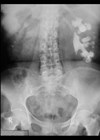
Kidney stone disease (KSD) is increasing in prevalence globally, with those affected often requiring hospitalisation, diagnostic imaging and intervention [1,2]. The incidences of KSD varies according to several factors including genetics, geographical location, climate, diet and ethnicity [3]. Stone recurrence is frequent, with a review demonstrating a 26% chance of recurrence in first time stone-formers after five years [1,4].
As KSD increases in prevalence and recurrence, the economic and healthcare burden rises proportionally [2]. This is seen as more patients require intervention as well as through indirect costs such as working age patients abstaining from work or requiring family care [5,6]. Healthcare systems face increasing strain due to the investigations and interventions required in the management of patients with KSD.
Studies on patients with recurrent KSD have detected metabolic abnormalities such as hypocitraturia, hypercalciuria and low urine output [6,7]. Metabolic evaluation through stone analysis, blood and urine testing allows for the identification and precise treatment of such metabolic abnormalities, therefore reducing the recurrence risk [8].
Potassium citrate has been used for many years in reducing the recurrence of KSD as it both alkalinises the urine and replaces the citrate [9]. Citrate is a naturally occurring inhibitor of the formation of calcium salt crystals, therefore it reduces the calcium stone formation in the urine [10]. This review summarises the mechanisms of action, clinical indications, limitations, and practical use of potassium citrate in the management of KSD.
Chemistry, pharmacology and mechanism of action of potassium citrate
Citrate is a tricarboxylic acid with three dissociation constants (pKa 2.9, 4.3 and 5.6), that predominantly exists as a trivalent (citrate⁻³) at physiological pH in plasma [11]. Citrate is synthesised in mitochondria from oxaloacetate and acetyl-CoA, and plays an integral part in the tricarboxylic acid (TCA) cycle [12,13]. The level of citrate in plasma is low, with a vast amount of citrate in both urine and plasma being complexed to calcium and magnesium [11].
The absorption of citrate in the small intestine and proximal tubule of the kidney is attributed to the sodium-dependent dicarboxylate transporter (NaDC-1) [10,12,13]. These transporters can also be found in the colon, liver and brain [12]. Once in the circulation, citrate is primarily metabolised in the liver [14,15].

Figure 1: Mechanism of action of potassium citrate [7,12–16,19].
In the kidney citrate undergoes filtration at the glomerulus, with approximately two-thirds reabsorbed in the proximal tubule, and the remaining excreted in urine [10]. The reabsorbed citrate is then metabolised into bicarbonate, which contributes towards systemic alkalisation through increased bicarbonate levels and increased urinary pH. This results in a reduction in the reabsorption of filtered citrate from the proximal tubule and thus increased urinary citrate levels [16]. The extent of reabsorption of citrate is what regulates the amount of citrate excreted in the urine [12].
Metabolic changes that lower systemic pH are known to reduce citrate availability; however, it is important to note that hypokalaemia produces a similar effect [12,13]. This suggests that the pH regulation of citrate metabolism has a strong intracellular component underlining the important role of potassium citrate in KSD as it raises systemic pH as well as corrects hypokalaemia, therefore increasing urinary citrate [13,17].
Whilst sodium-based alkali such as sodium bicarbonate and sodium citrate does alkalise urine effectively, potassium citrate additionally lowers urinary calcium and calcium oxalate supersaturation [18,19]. Sodium-based alkali carries a significant sodium load, which may result in fluid retention and high urinary calcium [15,20].
Potassium citrate is metabolised to bicarbonate through the TCA cycle, creating a systemic alkaline load that reduces renal reabsorption and increases urinary citrate excretion [12–16]. Studies have demonstrated that an increase in urinary citrate results in a significant decrease in urinary saturation of calcium oxalate. This is because citrate forms a complex with calcium, reducing the amount of free calcium available for crystallisation [7,15,19]. Additionally, citrate interferes with multiple stages of crystal formation including nucleation, crystal growth and aggregation of calcium crystals [7,15].
Randall’s plaques have been described as interstitial calcium phosphate deposits in the renal papilla that are caused by conditions that promote crystallisation and mineralisation such as hypercalciuria and low urinary citrate [21]. Potassium citrate may help mitigate these key risk factors and prevent Randall’s plaques. However, due to the alkali load created by potassium citrate, it may theoretically increase calcium phosphate supersaturation under specific conditions, such as chronic high-dose alkali therapy, tubular injury or pre-existing hypercalciuria [21,22]. However, current clinical evidence indicates that potassium citrate remains to be stone-preventative.
Role in uric acid stone disease
Uric acid stone formation is associated with low urinary pH, low urinary volume and high levels of uric acid in the urine [23–26]. Low urinary pH is the principal driver of uric acid stone formation because it reduces solubility and promotes crystallisation [23,24]. Therefore, first-line therapies for dissolving and preventing uric acid stones is to alkalise the urine; and potassium citrate is regarded as one of the most commonly used alkalinising agents [24,25]. Other forms of stone dissolution therapy include sodium bicarbonate or sodium citrate.
Many studies have demonstrated that stone dissolution therapy is generally well tolerated, carries a high stone clearance rate, is cost-effective and provides the potential for patients to avoid surgery [25,26]. A systematic review by Mousavi et al. concluded that 70% of the studies reviewed illustrated a greater than 50% success rate in potassium citrate dissolving uric acid stones, showing the effectiveness of this alkali agent [27]. As part of the treatment with potassium citrate, urine pH should be monitored closely. Prevention of uric stones can occur when the urinary pH is 6–6.5; however, for dissolution of uric stones requires a pH greater than 6.5, ideally in the range of 7–8 [24,26].
The current European Association of Urology guidelines emphasise urinary alkalisation with potassium citrate as being first-line therapy in uric acid stone formers [1]. Allopurinol may be used in patients with hyperuricosuria or recurrent uric acid stones despite adequate alkalinisation, but evidence for routine combination therapy remains limited [1,24]. One study has demonstrated that the potential combination of these therapies does not improve treatment outcomes [28].

Table 1: Indications for potassium citrate therapy.
Role in calcium stone disease
The therapeutic effect of potassium citrate in calcium stone disease is primarily mediated through correcting hypocitraturia, thus lowering levels of calcium in the urine rather than urinary alkalinisation alone [18,19,29]. In calcium oxalate stones specifically, citrate will bind to the calcium forming a soluble chelate, which reduces the supersaturation of calcium oxalate typically seen in the urine. This leads to an inhibition of nucleation, growth and aggregation of calcium oxalate crystals, therefore the formation and recurrence of these stones are reduced [7,15,29].
Whilst this underlying mechanism also applies to calcium phosphate stones, there is a theoretical risk that potassium citrate may over-alkalinise the urine, which can enhance phosphate supersaturation and increasing the risk of calcium phosphate stone formation [30–32]. In calcium phosphate stone formers the role of potassium citrate is limited, as the net effect of citrate supplementation remains unclear. However, it has a well-established role in managing calcium phosphate stones associated with renal tubular acidosis [33].
Potassium citrate has also been found to be effective in preventing stone recurrence following surgical management. Randomised control trials and systematic reviews with meta-analysis have demonstrated a significant reduction in calcium oxalate stone recurrence with the use of potassium citrate post shockwave lithotripsy or percutaneous nephrolithotomy [7,34–36].
Role in other stone types
Cystine stones develop due to a rare genetic mutation causing defective amino acid transport in the kidneys and small intestine, which causes cystinuria. Cystine crystallises to form kidney stones in physiological urine pH, making urinary alkalinisation with potassium citrate a central component of its treatment [32,37]. The aim is generally to reach a pH between 7–7.5 to achieve cystine solubility and avoid calcium phosphate formation [32].
Brushite stones are a form of calcium phosphate stones. Therefore, potassium citrate should be used cautiously, because increasing urine pH may promote calcium phosphate supersaturation [38].
Gastrointestinal disorders, such as enteric hyperoxaluria, can promote fat malabsorption and increase oxalate absorption leading to the formation of calcium oxalate kidney stones [9,39].. This is commonly seen in patients after a gastric bypass or following bariatric surgery [9]. Primary medical management for enteric hyperoxaluria includes calcium citrate and potassium citrate, which binds oxalate in the intestine and excreted in the stool, reducing the hyperoxaluria [40].
Indications for potassium citrate therapy
Potassium citrate is a widely used alkalinising agent that corrects hypocitraturia and raises urine pH without increasing urinary calcium [1,41]. It has also been found to significantly decrease stone formation rate in recurrent stone formers [17,41]. There are multiple risk factors for patients developing hypocitraturia (Table 1) [42]. Potassium citrate is particularly useful in patients with these metabolic or clinical risk factors, as it treats hypocitraturia by increasing urinary citrate excretion and furthermore delivers an alkali load to the kidneys [42].
Hypocitraturia and metabolic acidosis are abnormalities detected in patients who have undergone bariatric surgery. These patients face an increased risk of renal complications such as hyperoxaluria and kidney stone formation, making potassium citrate a suitable therapy [43,44]. It has also been found to be beneficial in patients with distal renal tubular acidosis, as the potassium addresses the hypokalaemia and the citrate metabolism addresses the acidosis in patients with this kidney disorder [1,32].
Dosing and administration
Potassium citrate is available in three forms: extended-release tablets, a powder for dilution and an oral solution [45]. It is typically prescribed at a starting dose of 20–60mEq/day, taken two to three times a day and is usually ingested with meals [42].. Dose titration should be guided by tolerability, stone phenotype, and urinary pH to reduce the risk of over-alkalinisation, particularly in calcium stone formers [42].
In terms of compliance, the main issues surrounding potassium citrate involve the inconvenience of medication preparation when in powder form, two to three times a day dosing, gastrointestinal symptoms, bad taste and the repeated monitoring [42,45].
Monitoring and follow-up
Baseline and early follow‑up assessment of renal function and serum potassium should be considered when starting potassium citrate, particularly in patients with an elevated risk of hyperkalaemia or renal impairment. Urinary pH levels should be monitored with an aim based on stone phenotype. Metabolic profiles of patients on potassium citrate are based on 24-hour urine collections, looking at urinary citrate and pH. Repeat 24-hour urine collections can be used to assess biochemical response and guide dose adjustment [42]. Urinary pH plays an integral role in management of stone formation; therefore, encouraging selected patients to monitor pH at home, using pH dipsticks, is a convenient albeit potentially less precise method of doing so [46].

Table 2: Efficacy and cost of potassium citrate
(ARR = Absolute Risk Reduction, RRR = Relative Risk Reduction) [61,62].
Long-term outcomes and recurrence prevention
Potassium citrate has shown reduction in the recurrence of stone formation not only in isolated medical management, but also as an additive post-surgical intervention. Across two randomised control trials potassium citrate has been shown to improve stone-free rates relative to placebo after three years of treatment [47,48]. In a randomised control trial by Soygür and Küpeli, stone recurrence in stone free patients on potassium citrate post shockwave lithotripsy had a 0% recurrence rate after 12 months, whereas untreated patients showed a 28.5% stone recurrence rate [34].
Bensalah et al. have shown the positive impact potassium citrate has on patients’ quality of life (QoL), using the 23-Item Short Form Health Survey (SF-36). Their observational study demonstrated that patients who were on medical therapies generally did not have an improvement in their QoL, unless they were on potassium citrate. In univariate analysis, the use of potassium citrate was positively associated with the physical component summary, bodily pain and social functioning domains of the SF-36. This same study also reported that repeated surgical intervention had a negative impact on patients’ QoL and postulated that medical therapies, such as potassium citrate, may improve QoL by decreasing the number of surgical interventions required [49].
Furthermore, longitudinal studies demonstrate that potassium citrate produces a sustained increase in urinary citrate over an extended period of treatment, which is integral in its biochemical role in preventing stone formation [50,51]. Importantly, treatment success is closely tied to adherence and metabolic phenotype.
Safety profile and tolerability
Randomised trials have demonstrated that potassium citrate is generally well tolerated, however some patients may experience gastrointestinal effects. Barceló et al. reported in their randomised trial that only a minority of participants experienced gastrointestinal symptoms, which were deemed mild in nature [47]. Other studies have shown that adverse events, due to gastrointestinal symptoms showed no statistical significance [48,52]. However, potassium citrate may not be suitable for patients with pre-existing peptic ulcer disease, but the use of slow-release tablets may mitigate these side effects [32,51].
Administration of potassium citrate is associated with an increased risk of hyperkalaemia. Therefore, prior to starting it, patients should be screened for risk factors associated with hyperkalaemia, such as renal insufficiency [53]. Fjellstedt et al. observed that whilst serum potassium did increase during their study, there were no incidence of severe or symptomatic hyperkalaemia [37]. This has been reproduced in other studies [51,54]. To mitigate the risk of hyperkalaemia, sodium citrate could be an alternative therapy. However, sodium citrate therapy increases the sodium concentration in the urine which may in turn increase the calcium concentration in the urine [41].
Potassium citrate in combination with certain medications, such as angiotensin-converting enzyme inhibitors and non-steroidal anti-inflammatories, needs to be carefully monitored as it may lead to life-threatening arrhythmias [55,56]. Other possible drug interactions with potassium citrate include methenamine, nitrofurantoin and sucralfate [57]. Caution is required in patients with hyperkalaemia, Addison’s disease, active urinary tract infections, delayed gastric emptying, renal insufficiency, or those on potassium sparing agents such as spironolactone [56].
Health economics and cost- effectiveness
In 2010, cost estimates for KSD for England alone were found to be between £190 million to £324 million [58]. Geraghty et al. demonstrated that majority of these costs were generated from acute intervention or surgical treatment and that medical prophylaxis would significantly reduce the total cost associated with KSD [58].
Economic modelling in 2019 from the National Institute for Health and Care Excellence (NG118) found that potassium citrate substantially decreased overall cost of treatment in comparison to placebo by £572,872 per 1000 people (using recurrence rates). These estimates were derived assuming a per-episode cost of £2,000 and a recurrence rate of 50% [8].
Compared with dietary management, potassium citrate demonstrates favourable cost-effectiveness, primarily driven by reductions in stone recurrence, which would decrease the overall healthcare associated costs [59]. The beneficial effects of potassium citrate in patients undergoing surgical intervention have also been widely reported, with evidence showing significant improvements in the rates in alleviating stone forming activity, enhancement of preexisting stone clearance, as well as stone dissolution [7]. As potassium citrate improves stone prevention, it therefore reduces healthcare utilisation, its associated costs and necessity for urological procedures [60].

Figure 2: Clinical algorithm for use of potassium citrate.
Future directions
This review highlights important gaps in the literature that warrant further investigation to enhance the evidence base surrounding potassium citrate use. Studies evaluating combination therapies alongside potassium citrate may clarify potential synergistic effects and define optimal dosing regimens to maximise efficacy while minimising any potential adverse effects.
There is also limited literature comparing the effectiveness of different citrate salts and which formulation may offer the greatest efficacy and tolerability in preventing stone recurrence. Further research should focus on patient-specific factors, long-term safety and adherence, and economic impact of citrate therapy to improve individualised treatment and guidelines for clinical practice.
Practical clinical algorithm
Whilst many different patient cohorts have been successfully treated with potassium citrate, appropriate patient identification is vital in optimising treatment outcomes.
This review identified the following groups as most appropriate for the initiation of potassium citrate therapy:
- Recurrent calcium oxalate stone formers
- Hypocitraturia
- Low urinary pH - Uric acid stone formers
- Cystine stone formers.
Initially, potassium citrate is started at 20-60mEq/day, divided into two to three doses per day. The dose is then titrated as per tolerability and stone type, with the aim of maintaining a urinary pH between 6–7. Monitoring should include urinary pH, 24-hour urinary analysis, and blood tests (electrolytes and renal function) to detect any potential risks such as hyperkalaemia and renal insufficiency.
Conclusions
In conclusion, potassium citrate remains a cornerstone therapy in urolithiasis, and despite strong evidence it is underutilised in clinical practice. It alkalinises the urine, increases urinary citrate and lowers urinary calcium and is not associated with a sodium load, unlike other alkali citrate therapies. Potassium citrate has demonstrated its versatility and effectiveness across multiple stone phenotypes, having both therapeutic and cost favouring benefits. Further research is warranted to evaluate its long-term outcomes and potential role of combination therapies. Integration of these findings into structured clinical pathways for patients may enhance both patient outcomes and healthcare efficiency.
References
1. Skolarikos A, Davis NF, Gambaro G, et al. EAU Guidelines on Urolithiasis. EAU 2026.
https://uroweb.org/guidelines/urolithiasis/
chapter/citation-information
2. Raheem OA, Khandwala YS, Sur RL, et al. Burden of Urolithiasis: Trends in Prevalence, Treatments, and Costs. Eur Urol Focus 2017;3(1):18–26.
3. Sorokin I, Mamoulakis C, Miyazawa K, et al. Epidemiology of stone disease across the world. World J Urol 2017;35(9):1301–20.
4. Ferraro PM, Curhan GC, D’Addessi A, Gambaro G. Risk of recurrence of idiopathic calcium kidney stones: analysis of data from the literature. J Nephrol 2017;30(2):227–33.
5. Kirkali Z, Rasooly R, Star RA, Rodgers GP. Urinary Stone Disease: Progress, Status, and Needs. Urology 2015;86(4):651–3.
6. Skolarikos A, Somani B, Neisius A, et al. Metabolic Evaluation and Recurrence Prevention for Urinary Stone Patients: An EAU Guidelines Update. Eur Urol 2024;86(4):343–63.
7. Lojanapiwat B, Tanthanuch M, Pripathanont C, et al. Alkaline citrate reduces stone recurrence and regrowth after shockwave lithotripsy and percutaneous nephrolithotomy. Int Braz J Urol 2011;37(5):611–6.
8. Renal and ureteric stones: assessment and management. NICE guideline 2019.
www.nice.org.uk/guidance/ng118
9. Peerapen P, Thongboonkerd V. Kidney Stone Prevention. Adv Nutr 2023;14(3):555–69.
10. Grases F, Conte A, March JG, García-Ferragut L. Evolution of lithogenic urinary parameters with a low dose potassium citrate treatment. Int Urol Nephrol 1998;30(1):1–8.
11. Hamm LL. Renal handling of citrate. Kidney Int 1990;38(4):728–35.
12. Zuckerman JM, Assimos DG. Hypocitraturia: pathophysiology and medical management. Rev Urol 2009;11(3):134–44.
13. Simpson DP. Citrate excretion: a window on renal metabolism. Am J Physiol 1983;244(3):F223–34.
14. Monchi M. Citrate pathophysiology and metabolism. Transfus Apher Sci 2017;56(1):28–30.
15. Zomorodian A, Moe OW. Citrate and calcium kidney stones. Clin Kidney J 2025;18(9):sfaf244.
16. Zacchia M, Preisig P. Low urinary citrate: an overview. J Nephrol 2010;23 Suppl 16:S49–56.
17. Robinson MR, Leitao VA, Haleblian GE, et al. Impact of long-term potassium citrate therapy on urinary profiles and recurrent stone formation. J Urol 2009;181(3):1145–50.
18. Sakhaee K, Nicar M, Hill K, Pak CY. Contrasting effects of potassium citrate and sodium citrate therapies on urinary chemistries and crystallization of stone-forming salts. Kidney Int 1983;24(3):348–52.
19. Preminger GM, Sakhaee K, Pak CY. Alkali action on the urinary crystallization of calcium salts: contrasting responses to sodium citrate and potassium citrate. J Urol 1988;139(2):240–2.
20. Leslie SW, Bashir K. Hypocitraturia and Renal Calculi. Treasure Island (FL): StatPearls Publishing 2026.
21. Khan SR, Canales BK. Unified theory on the pathogenesis of Randall’s plaques and plugs. Urolithiasis 2015;43 Suppl 1(0 1):109–23.
22. Sakhaee K. Recent advances in the pathophysiology of nephrolithiasis. Kidney Int 2009;75(6):585–95.
23. Wiederkehr MR, Moe OW. Uric Acid Nephrolithiasis: A Systemic Metabolic Disorder. Clin Rev Bone Miner Metab 2011;9(3-4):207–17.
24. Manish KC; Leslie SW. Uric Acid Nephrolithiasis. Treasure Island (FL): StatPearls Publishing 2023.
25. Gridley CM, Sourial MW, Lehman A, Knudsen BE. Medical dissolution therapy for the treatment of uric acid nephrolithiasis. World J Urol 2019;37(11):2509–15.
26. Lotan P, Mastai M, Mastai Y, et al. Revisiting Uric Acid Stone Dissolution Kinetics: Insights for Optimizing Medical Therapy. Eur Urol Open Sci 2025;76:38–44.
27. Mousavi A, Takele R, Limbrick Ba, et al. Oral Dissolution Therapy of Uric Acid Stones: A Systematic Review. Soc Int Urol J 2024;5(4):284–99.
28. Coşkun A, Can U, Çanakçı C, Can Murat. A Fresh Look at Oral Chemolysis for Non-Symptomatic Kidney Stones-Comparative Research of Potassium Citrate and Allopurinol Combination-Is Treatment Possible Without Stone Analysis? J Clin Med 2025;14(11):3970.
29. Duan CY, Xia ZY, Zhang GN, et al. Changes in urinary nanocrystallites in calcium oxalate stone formers before and after potassium citrate intake. Int J Nanomedicine 2013;8:909–18.
30. Krieger NS, Asplin JR, Frick KK, et al. Effect of Potassium Citrate on Calcium Phosphate Stones in a Model of Hypercalciuria. J Am Soc Nephrol 2015;26(12):3001–8.
31. Doizi S, Poindexter JR, Pearle MS, et al. Impact of Potassium Citrate vs Citric Acid on Urinary Stone Risk in Calcium Phosphate Stone Formers. J Urol 2018;200(6):1278–84.
32. Segall M, Mousavi A, Eisner BH, Scotland K. Pharmacologic treatment of kidney stones: Current medication and pH monitoring. Actas Urol Esp (Eng Ed) 2024;48(1):11–8.
33. Hesse A, Heimbach D. Causes of phosphate stone formation and the importance of metaphylaxis by urinary acidification: a review. World J Urol 1999;17(5):308–15.
34. Soygür T, Akbay A, Küpeli S. Effect of potassium citrate therapy on stone recurrence and residual fragments after shockwave lithotripsy in lower caliceal calcium oxalate urolithiasis: a randomized controlled trial. J Endourol 2002;16(3):149–52.
35. Cicerello E, Merlo F, Gambaro G, et al. Effect of alkaline citrate therapy on clearance of residual renal stone fragments after extracorporeal shock wave lithotripsy in sterile calcium and infection nephrolithiasis patients. J Urol 1994;151(1):5–9.
36. Carvalho M, Erbano BO, Kuwaki EY, et al. Effect of potassium citrate supplement on stone recurrence before or after lithotripsy: systematic review and meta-analysis. Urolithiasis 2017;45(5):449–55.
37. Fjellstedt E, Denneberg T, Jeppsson JO, Tiselius HG. A comparison of the effects of potassium citrate and sodium bicarbonate in the alkalinization of urine in homozygous cystinuria. Urol Res 2001;29(5):295–302.
38. Siener R, Netzer L, Hesse A. Determinants of brushite stone formation: a case-control study. PLoS One 2013;8(11):e78996.
39. Witting C, Langman CB, Assimos D, et al. Pathophysiology and Treatment of Enteric Hyperoxaluria. Clin J Am Soc Nephrol 2021;16(3):487–95.
40. Shah A, Leslie SW; Ramakrishnan S. Hyperoxaluria. Treasure Island (FL): StatPearls Publishing 2024.
41. Whalley NA, Meyers AM, Martins M, Margolius LP. Long-term effects of potassium citrate therapy on the formation of new stones in groups of recurrent stone formers with hypocitraturia. Br J Urol 1996;78(1):10–4.
42. Suarez M, Youssef RF. Potassium Citrate: Treatment and Prevention of Recurrent Calcium Nephrolithiasis. J Clin Nephrol Res 2015;2(1):1015.
43. Espino-Grosso PM, Canales BK. Kidney Stones After Bariatric Surgery: Risk Assessment and Mitigation. Bariatr Surg Pract Patient Care 2017;12(1):3–9.
44. Canales BK, Gonzalez RD. Kidney stone risk following Roux-en-Y gastric bypass surgery. Transl Androl Urol 2014;3(3):242–49.
45. Basiri A, Taheri F, Taheri M. The tolerability of Potassium Citrate Tablet in patients with intolerance to Potassium Citrate Powder form. Urol J 2018;15(1):16–20.
46. Sanz-Gómez I, Angerri O, Baboudjian M, et al. Role, Cost, and Availably of Urinary pH Monitoring for Kidney Stone Disease – A Systematic Review of the Literature. Curr Urol Rep 2023;24(8):381–8.
47. Barcelo P, Wuhl O, Servitge E, et al. Randomized double-blind study of potassium citrate in idiopathic hypocitraturic calcium nephrolithiasis. J Urol 1993;150(6):1761–4.
48. Ettinger B, Pak CY, Citron JT, et al. Potassium-magnesium citrate is an effective prophylaxis against recurrent calcium oxalate nephrolithiasis. J Urol 1997;158(6):2069–73.
49. Bensalah K, Tuncel A, Gupta A, et al. Determinants of quality of life for patients with kidney stones. J Urol 2008;179(6):2238–43;discussion 2243.
50. Schwille PO, Herrmann U, Wolf C, et al. Citrate and recurrent idiopathic calcium urolithiasis. A longitudinal pilot study on the metabolic effects of oral potassium citrate administered over the short-, medium- and long-term medication of male stone patients. Urol Res 1992;20(2):145–55.
51. Pak CY, Fuller C, Sakhaee K, et al. Long-term treatment of calcium nephrolithiasis with potassium citrate. J Urol 1985;134(1):11–9.
52. Phillips R, Hanchanale VS, Myatt A, et al. Citrate salts for preventing and treating calcium containing kidney stones in adults. Cochrane Database Syst Rev 2015;2015(10):CD010057.
53. Dion M, Ankawi G, Chew B, et al. CUA guideline on the evaluation and medical management of the kidney stone patient - 2016 update. Can Urol Assoc J 2016;10(11-12):E347–58.
54. Normand M, Haymann JP, Daudon M. Medical treatment of uric acid kidney stones. Can Urol Assoc J 2024;18(11):E339–45.
55. Stepanova N. Balancing Stone Prevention and Kidney Function: A Therapeutic Dilemma. J Clin Med 2025;14(11):3678.
56. Potassium citrate (Rx). Medscape.
https://reference.medscape.com/drug/
urocit-k-potassium-citrate-342853#0
57. Potassium citrate: Interactions. NICE.
https://bnf.nice.org.uk/interactions/
potassium-citrate/
58. Geraghty RM, Cook P, Walker V, Somani BK. Evaluation of the economic burden of kidney stone disease in the UK: a retrospective cohort study with a mean follow‐up of 19 years. BJU Int 2020;125(4):586–594.
59. Bolaños-Díaz R, Regalado-Rafael R, Mezones-Holguín E. Cost-effectiveness of the preventive treatment of urolithiasis with potassium citrate. Journal of Pharmaceutical Health Services Research 2011;2(2):107–12.
60. Goldfarb DS, Coe FL. Prevention of recurrent nephrolithiasis. Am Fam Physician 1999;60(8):2269–76.
61. Penlan Pharmaceuticals. Renodyra - Potassium Citrate.
https://www.renodyra.com.
62. BNF. Citric acid with potassium citrate: Medicinal forms. NICE.
https://bnf.nice.org.uk/drugs/citric-acid-with
-potassium-citrate/medicinal-forms/