
Broadcaster and actor Grant Stott is urging men across Scotland to start a simple but potentially life-saving conversation this Prostate Cancer Awareness Month.
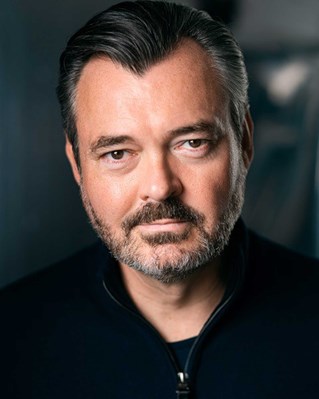
Grant, 58, recently had his first prostate-specific antigen (PSA) test after being inspired by Sir Chris Hoy speaking openly about his terminal prostate cancer diagnosis. Although he had no symptoms, he decided it was time to get checked, and encouraged his long standing group of school mates to do the same.
“We’ve known each other for years and been through everything together – marriages, kids, job changes, losses, all sorts. There’s always been plenty of banter,” said Grant. “But this felt important. I didn’t have any symptoms, and prostate cancer doesn’t always show signs in the early stages. I thought, why am I assuming I’m fine? It was just a phone call to the GP to arrange a PSA test.”
Grant sent a message to the group chat suggesting his mates book a test too, setting a light-hearted deadline to get it done. Several have since followed through, including one friend with a family history of prostate cancer. “I had a chat with my GP, had the test and thankfully all is well – and the same for my mates, although there are a few stragglers still to take action.”
Prostate cancer is the most common cancer in men in Scotland. It affects around one in ten men, and more than 5000* are diagnosed each year. One of the biggest challenges is that early prostate cancer often develops silently, meaning men can feel completely well.
That’s why Prostate Scotland is encouraging men this March to share three simple facts:
- Prostate cancer is the most common cancer in men in Scotland
- It often develops without symptoms
- From age 50, you can speak to your GP about a PSA test – from age 45 if you have a family history (dad, brother, uncle has had prostate cancer) or are a Black man.
Start the conversation in your group chat, at work, at five-a-side, or around the dinner table. Awareness spreads through conversation, and conversations can lead to earlier diagnosis and save lives.
Peter Proud, Trustee of Prostate Scotland, was diagnosed with prostate cancer last year after a routine PSA test picked up the disease despite him having no symptoms. He said:
“One of the difficulties with prostate cancer is that men often feel healthy and have no reason to seek help. Without a national screening programme in place for most men, awareness and informed conversations with a GP are crucial.
“We want men to understand their risk, know that a PSA test is available, and feel confident starting that discussion. Just as importantly, we want families, workplaces and communities to help normalise those conversations.”
A PSA test is a simple blood test carried out by a GP. It is not part of a national screening programme, but it is the starting point for discussions about prostate health and whether further investigation is needed.
For clear information about prostate cancer, PSA testing and understanding your risk, visit www.prostatescotland.org.uk.


