
-
BALANCE will generate pioneering evidence to fill gaps in our understanding of the challenges Black men face with prostate cancer and the support they need, making changes possible which will improve Black men's quality of life while navigating the disease.
-
Led by the European Association of Urology, with Prostate Cancer UK conducting the global analysis, the BALANCE study will invite men to fill out an anonymous online survey about their experiences of living with prostate cancer.
-
It comes at a critical time, as Prostate Cancer UK analysis of the latest NHS data shows that more than 13,000 (13,148)
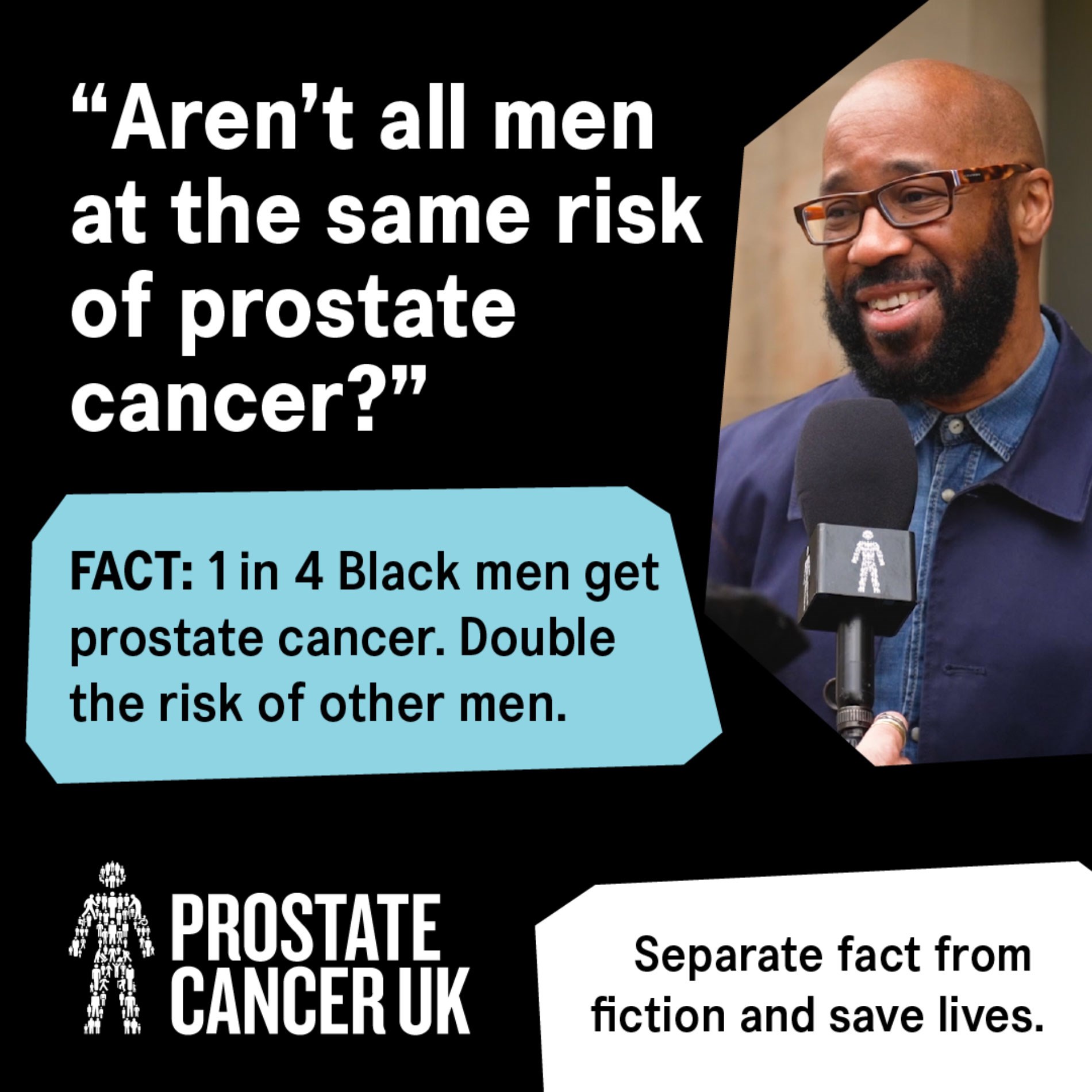
Black men in the UK are living with or after the disease. 1 in 4 Black men will develop the disease in their lifetime. Black men are being invited to take part in the first ever major global study seeking to understand how prostate cancer affects their quality of life – with the research led by the European Association of Urology and analysis led by charity Prostate Cancer UK.
Launched in the UK this week, the BALANCE study will bring together the voices of Black and mixed-race men who have faced a prostate cancer diagnosis, generating data on an unprecedented scale about the care they received and their quality of life during and after treatment.
This study will bring to light the specific needs that Black men have when accessing support for prostate cancer, and the pioneering evidence produced will help to shape changes in healthcare practice and policy so that Black men receive better, more equitable care in the future.
Prostate Cancer UK analysis of the latest NHS data shows that more than 13,000 (13,148) Black men in the UK are living with or after prostate cancer [1].
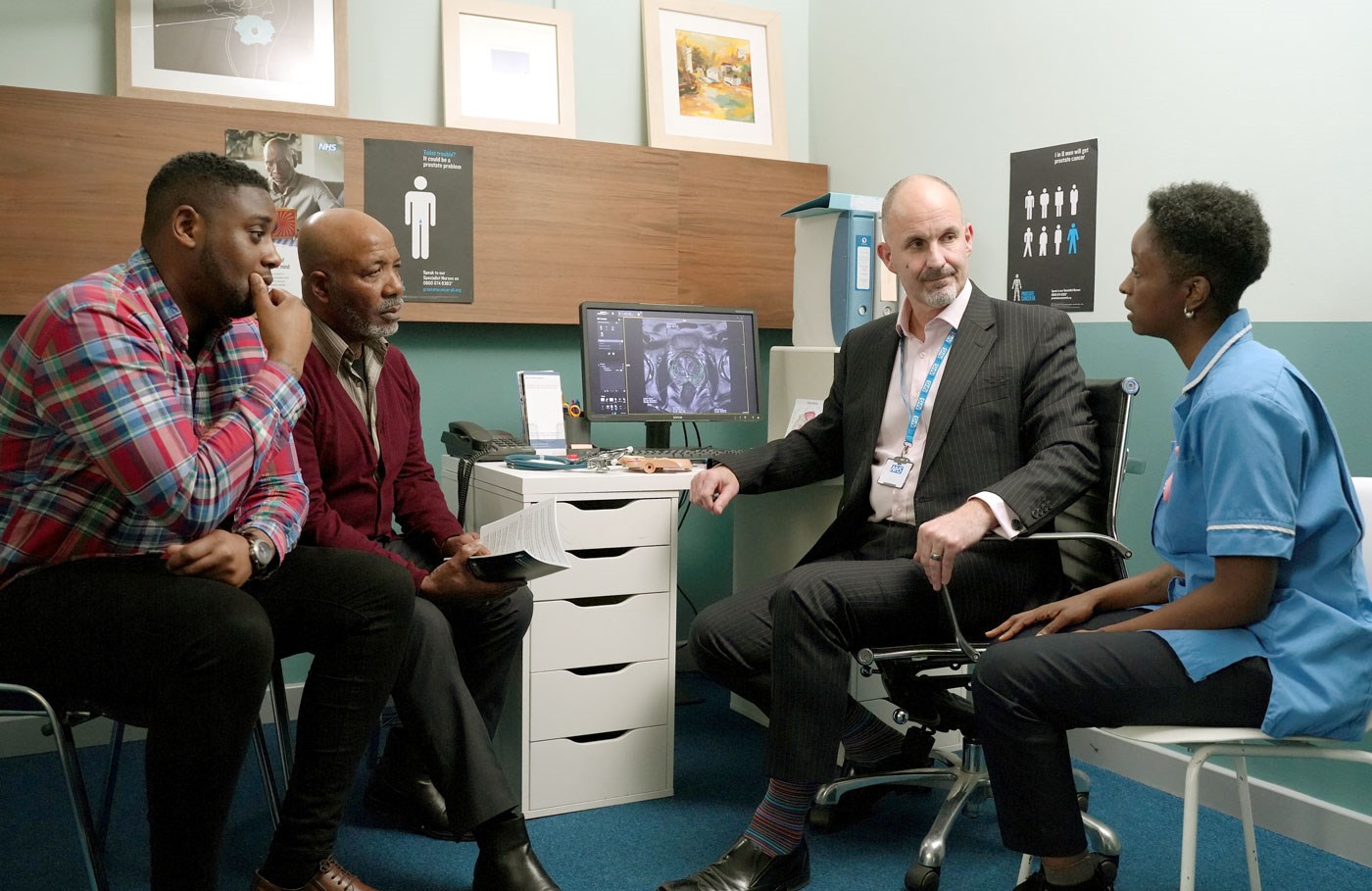
One in four Black men will get prostate cancer. Statistics show that if you’re Black you have double the risk of developing the disease, and dying from it, compared with other men. Black men in their 60s who get a later diagnosis are also 14% less likely than white men of the same age to receive the best NICE approved treatments that are known to extend and improve lives [2].
The BALANCE study is led by the European Association of Urology and co-developed by patient advocacy groups, clinicians, researchers, and charities, with Prostate Cancer UK leading the international analysis.
Black men who are living with or after prostate cancer, including men on active surveillance, can take part by filling out an anonymous online survey about their experiences, which takes around an hour and saves as you go, so can be completed when it’s most convenient.
Eamonn Rogers, Chairman of the European Association of Urology (EAU) Patient Office, said: “We are delighted that our BALANCE survey is going live in the UK. This study aims to help us to better understand the experiences and needs of Black men affected by prostate cancer. By hearing directly from patients, we hope to build a more complete picture of where change is needed and how we can better address inequalities in prostate cancer care.
“The findings of the study have the potential to make a lasting impact on future clinical research and to influence policies that prioritise patient outcomes leading to improved healthcare quality.”
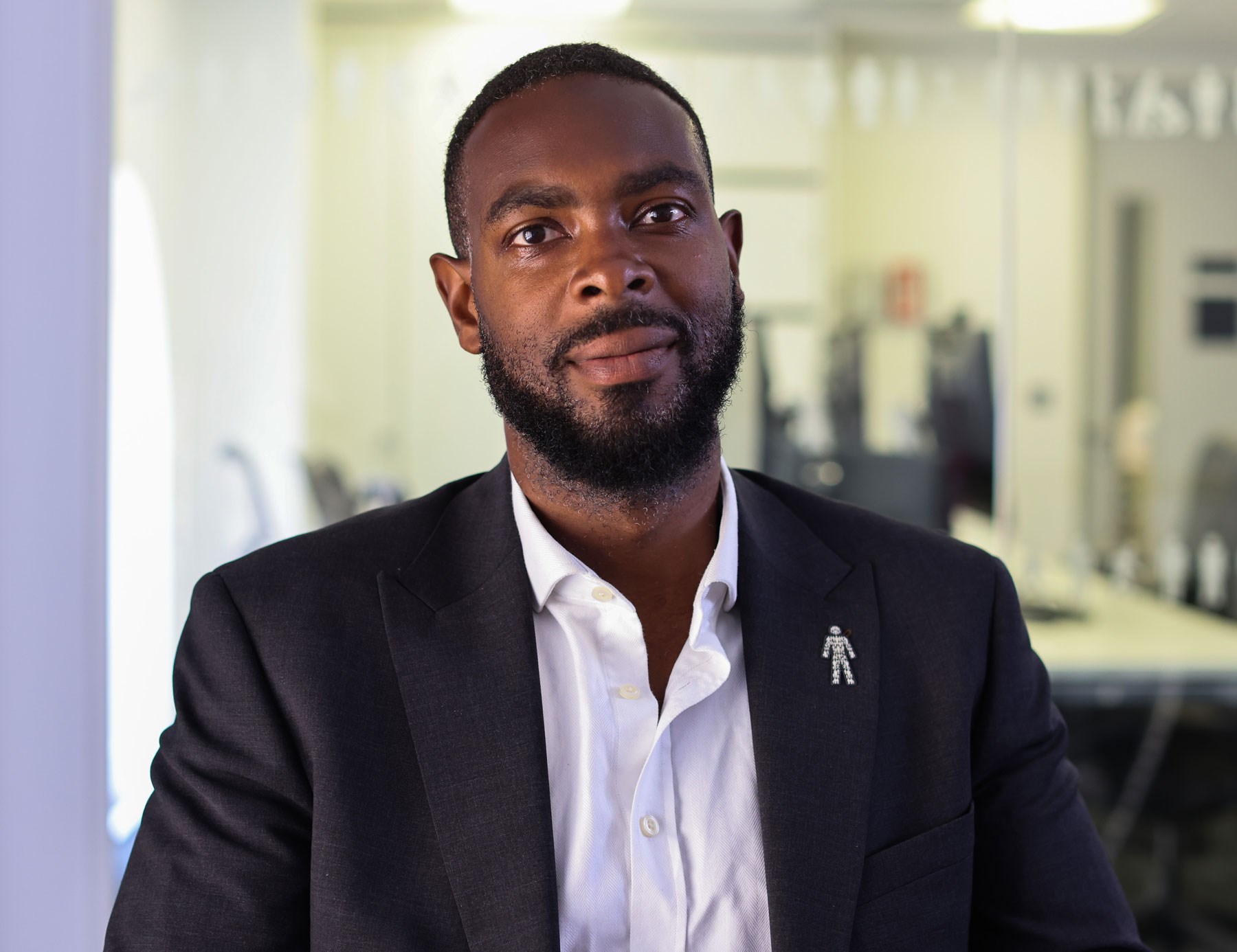
Keith Morgan.
Keith Morgan, Associate Director of Black Health Equity at Prostate Cancer UK, said: “Finding out you’ve got prostate cancer is a difficult and confusing experience for every man – but Black men face acute disadvantages from the day they are diagnosed that are damaging their lives and the lives of their loved ones.
“This is unacceptable. We must urgently find out why Black men are less likely to receive the best treatments and put a definitive end to it. Prostate Cancer UK is putting millions of pounds into our Black Health Equity Strategy to root out inequalities like this.
“So many Black men have told us stories about the difficulties they've faced accessing the best care, leading to life-altering outcomes that could have been avoided. Finally, this study will start to turn these stories into affirmative action. If you’re Black and you’ve gone through prostate cancer, please consider adding your voice to BALANCE.”
Natalia Norori, Head of Data and Evidence at Prostate Cancer UK, is leading the analysis for BALANCE. She said: “We know from official reports that Black men are disproportionally affected by prostate cancer, but we still lack crucial evidence about their experiences after diagnosis and the support they need to live well. Without that data, it’s extremely hard to effect real systemic change. BALANCE will help us address that gap by providing insights into the quality of life and support needs of Black men – getting us closer to equitable prostate cancer care.
“Black men have historically been underrepresented in research, and it's vital to us at Prostate Cancer UK that we proactively include them in our work. I invite all Black men who have had a prostate cancer diagnosis to take part in this survey. It's simple and will produce the robust evidence we need to finally address inequalities and get Black men the best care possible.”
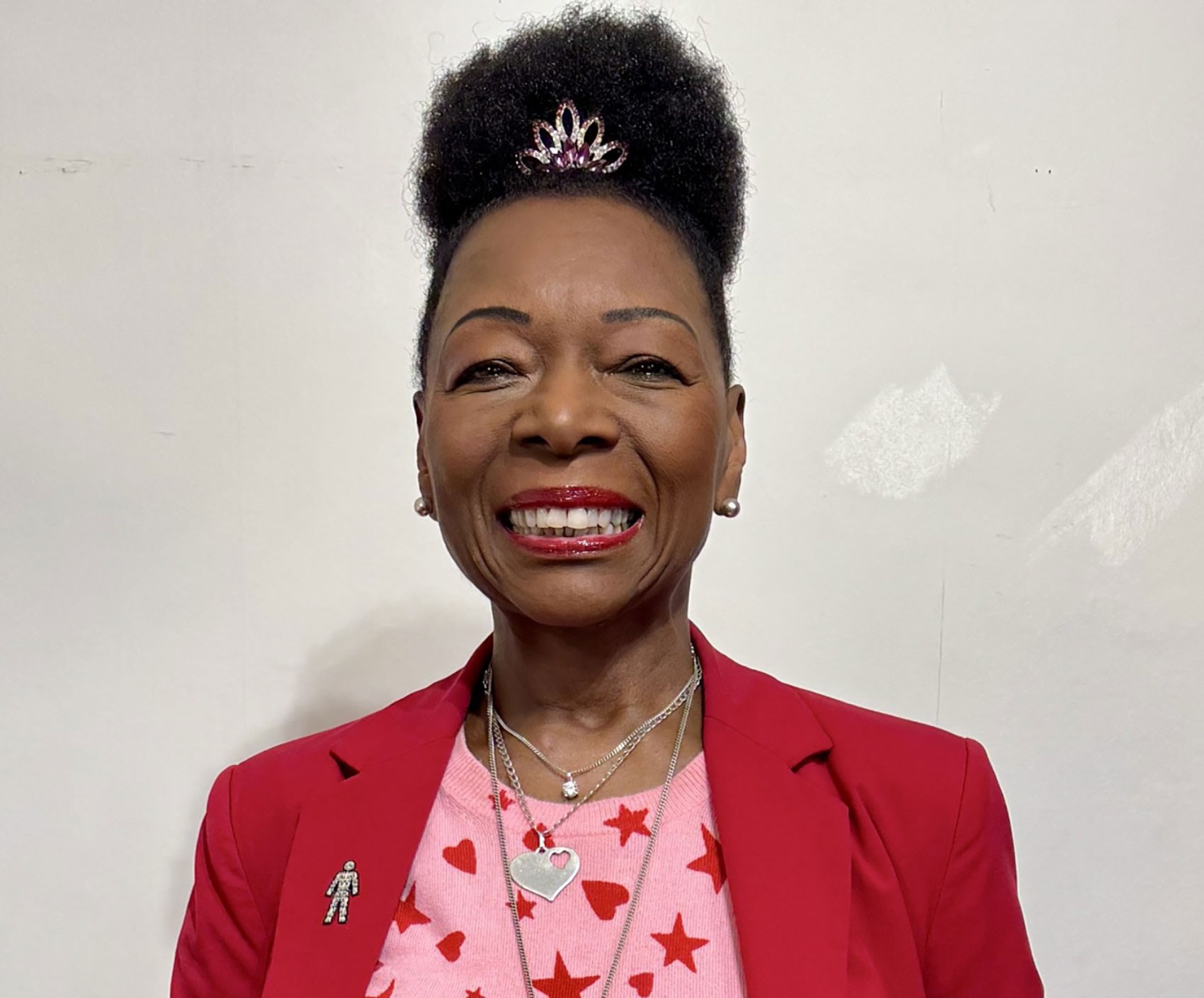
Baroness Floella Benjamin.
Baroness Floella Benjamin said: “It breaks my heart that Black men are more likely to die from prostate cancer, and it’s a double blow that many Black men who are treated successfully suffer from life-altering side effects like incontinence. I’m proud to support Prostate Cancer UK as they lead the way in not only saving Black men’s lives, but also in making sure all men have a better chance of living well after treatment.
“I urge Black men who have gone through the trauma of prostate cancer to fill out this survey, share your experiences, and use your voice make life better for the countless other men in our community who will be diagnosed in the coming years.”
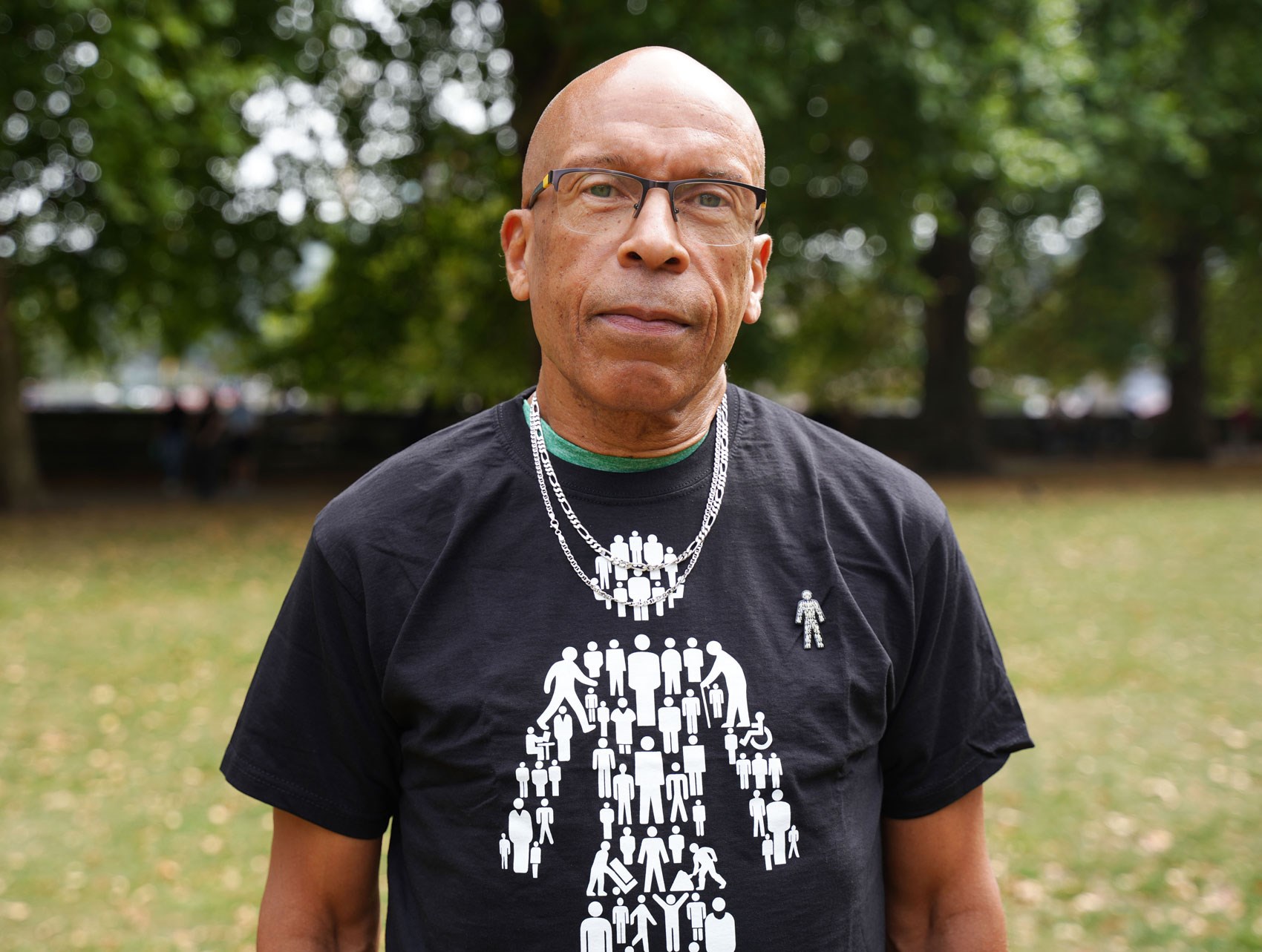
Des Reid.
Des Reid, 67, from London was diagnosed with early-stage prostate cancer in 2022. He says: “I only got tested because my brother had had prostate cancer, I felt totally fine and kept active – so it was a horrible shock to get diagnosed. Luckily, I'd found it early, before it had spread.
“I was offered a new type of targeted treatment called HIFU, which appealed to me because it's not as invasive and helps to stave offside effects that lots of men in my position get after treatment, like incontinence and erection problems. And sure enough, as well as the treatment saving my life, I have no issues with erectile dysfunction or incontinence.
“We need to make sure that Black men get all the information and support that I got, because living a full life is arguably just as important as surviving this disease. I'll be doing this survey and I'm proud to be doing my bit to improve things for other Black men facing prostate cancer.”
The full name of the BALANCE study is the Black and Mixed Men's Lived Experience with Prostate Cancer – Diversity in Prostate Cancer PROMS study. See webpage here.
Men can follow this link to complete the anonymous online survey. All Black and mixed-race men living with prostate cancer in the UK, including those on active surveillance, can take part.
The BALANCE study was co-developed through a collaboration between the stakeholders listed below and the analysis of generated data will be led by Prostate Cancer UK.
- Cancer Black Care (CBC)
- Cancer Don't Let It Win (CDLIW)
- CanSurvive UK
- Cancer UK Salone
- Errol McKellar Foundation
- Friends of Caswell Thompson (FOCT)
- From Me To You, The Art of Survival
- ORCHID
- Prostate Cancer Research (PCR)
- Prostate Cancer UK (PCUK)
- Tackle Prostate Cancer
- The Institute of Cancer Research (ICR), London, and The Royal Marsden NHS Foundation Trust
- The Rose Thompson Foundation
- Prostaatkankerstichting Nederland (PKS)
- Prostaatkankerstichting Suriname (PKSS)
- Latin American Cancer Research Collaboration (LACOG)
This study is supported by educational grants from AstraZeneca and Bayer. The sponsors have no involvement in the study design, conduct, analysis, or reporting, and do not influence its outcomes.
References
1. National Disease Registration Service (NDRS). Cancer prevalence. National Disease Registration Service 2026.
https://digital.nhs.uk/ndrs/data/data-outputs/
cancer-data-hub/cancer-prevalence
2. NPCA Project Team. National Prostate Cancer Audit: State of the Nation Report. Royal College of Surgeons of England 2025.
https://www.natcan.org.uk/wp-content/uploads/2025/07/
NPCA-State-of-the-Nation-Report-2024_v2-1.pdf
[All links last accessed August 2026].


