Reconstructive urology is an important area of clinical need within our population. However, within the context of competing service priorities, it continues to face resource and training challenges. Across the UK, only a small number of centres currently offer a comprehensive reconstructive service.
Compared to our European and North American counterparts, the adoption of minimally invasive, robotic-assisted approaches within this subspecialty in the UK is relatively recent. As a result, formal training opportunities in robotic reconstructive urology remain limited. I was therefore extremely privileged to undertake a period of formal clinical observership with Dr Lee Zhao, a world-renowned robotic and open reconstructive urologist at NYU Langone Health in New York. I am sincerely grateful to The Urology Foundation for supporting this opportunity.
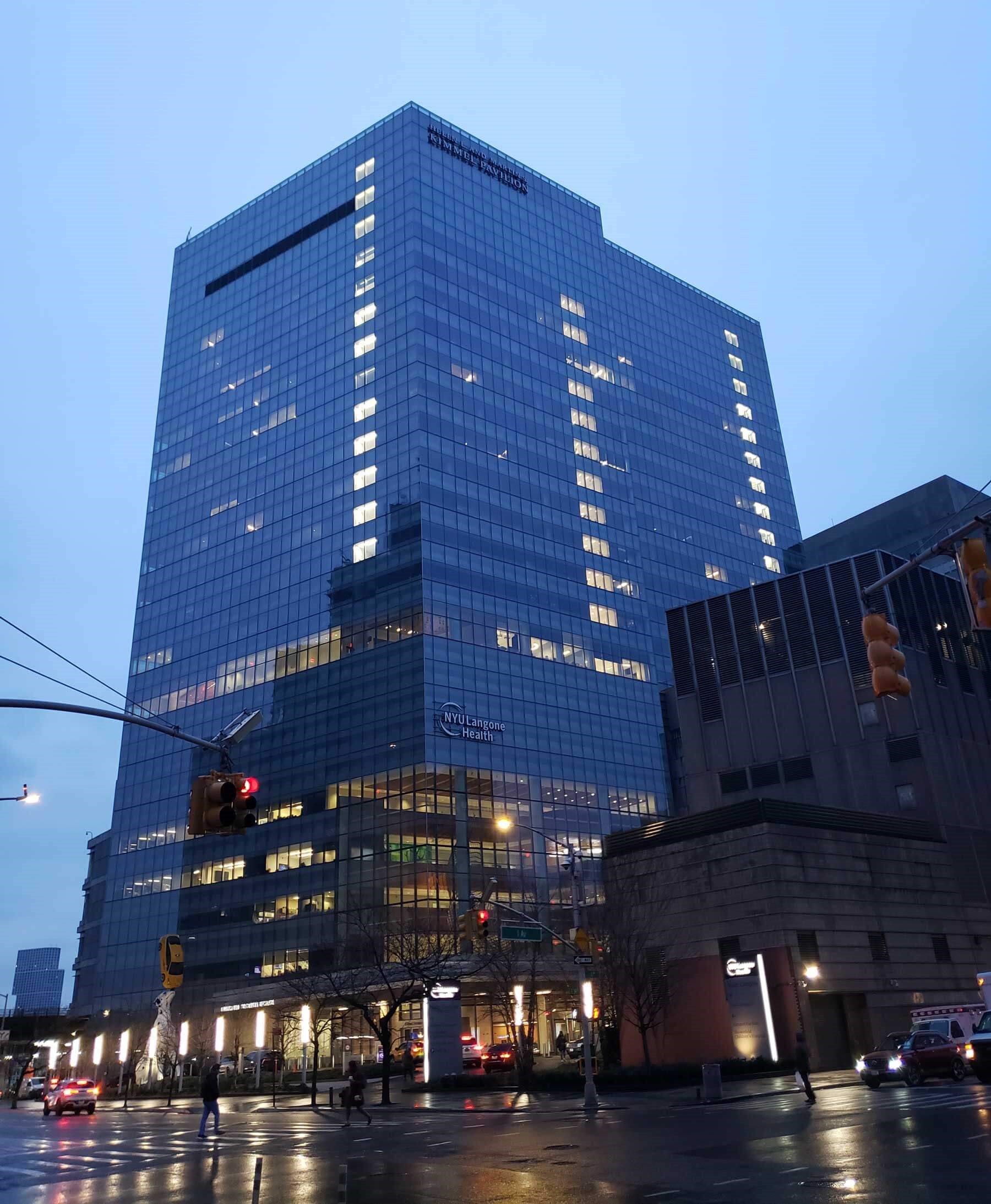
The aim of the observership was to gain first-hand exposure to one of the world’s most advanced and prestigious robotic urology programmes, learn from leaders in the field, and identify transferable approaches to improve efficiency, safety and patient experience within my own clinical practice in the UK.
Overview of the institution and practice
NYU Langone Health is a major academic medical centre in the United States, internationally recognised for excellence in patient care, education and innovation. Its Department of Urology is a high-volume robotic centre, performing over 10,000 robotic procedures each year across 13 robotic platforms. This level of activity is extraordinary and reflects both surgical expertise and highly developed systems of care.
During my visit, I was struck by the consistency and coordination of the clinical workflow. Operating lists started promptly at 8am each day, there were no on-the-day cancellations, and team members demonstrated professionalism, clear communication and mutual respect throughout. Despite the high caseload, the prevailing culture was one of calm, focus and efficiency.
The ambulatory nature of care was particularly notable. Many procedures that would typically require hospital admission in the UK were safely delivered as day-case procedures, with no requirement for ITU admissions. This approach appeared underpinned by robust perioperative protocols, close multidisciplinary collaboration and comprehensive post-discharge support.
Breadth and depth of clinical experience
The breadth and complexity of robotic reconstructive urology at NYU Langone was exceptional. Under Dr Zhao’s leadership, the service manages a wide variety of reconstructive cases, many involving patients with previous surgery or failed repairs. I observed procedures including robotic ureteric reconstruction, robotic bladder neck reconstruction, revision urethroplasty, robotic vesicovaginal and rectourethral fistula repairs, and gender-reassignment surgery, often incorporating tissue interposition or flap techniques. A typical theatre list included:
- Single-port transvaginal robotic ureteral reimplantation for a post-hysterectomy stricture
- Revision robotic bladder neck reconstruction
- Robotic urethroplasty using buccal mucosal grafts
- Robotic vesicovaginal fistula repair with omental interposition and
- Robotic vaginoplasty
Each case was supported by careful preoperative planning and an emphasis on efficiency and safety. Multidisciplinary involvement, from anaesthetics and radiology to nursing and theatre staff, ensured that even complex cases progressed smoothly. Despite the technical demands, the atmosphere remained supportive and educational, contributing to excellent outcomes and a strong learning environment for trainees.
Efficiency and teamwork
The efficiency of the robotic programme was a defining feature. With 13 robotic platforms operating, the system was designed to maximise utilisation while maintaining patient safety and staff wellbeing. Turnover times between cases were short, and the ability to alternate theatres allowed parallel preparation and cleaning which further enhanced productivity.
Electronic records were fully integrated, with imaging, laboratory results and operative documentation readily accessible. This facilitated timely, informed decision-making and reduced duplication. Regular multidisciplinary team meetings ensured that complex cases were reviewed collaboratively, and decisions informed by both evidence and shared experience.
Education was clearly embedded within daily practice: Dr Zhao and his colleagues actively involved trainees and visiting clinicians in case discussions, reflecting a culture of openness and continuous improvement, supported by audit and reflective practice.
Impact on my clinical practice
This observership has had a lasting influence on my approach to surgery and service development. Since returning to the UK, I have reflected on how these principles can be adapted within local systems. Drawing on the structured scheduling and communication observed at NYU Langone, I am working with colleagues to streamline preoperative pathways and reduce same-day cancellations. Recognising that shorter hospital stays, when safely implemented, have the potential to improve patient satisfaction and reduce healthcare costs, there has also been a renewed focus on enhanced recovery and day-case pathways for appropriately selected patients.
From a technical perspective, observing advanced robotic reconstructive techniques has strengthened my understanding of case selection, operative strategy and postoperative care. It has reinforced the value of minimally invasive approach in complex cases supported by multidisciplinary collaboration.
Impact on patient care
The ultimate objective of the observership was to improve patient care. Exposure to a high-volume, highly coordinated robotic service has demonstrated how consistency of process, teamwork and innovation can deliver excellent outcomes. By applying these transferable principles locally, I aim to contribute to a more efficient and patient-centred service, with benefits including reduced length of stay, improved patient experience and greater consistency of care.
Reflections and future plans
Reflecting on this observership 12 months later, its influence continues to shape my approach to surgery and service development. Beyond technical skills, the experience highlighted how strategic investment in infrastructure, training and team development can support sustained organisational success.
I have been maintaining contact with Dr Zhao to continue exchanging ideas and learning from ongoing developments. I remain deeply grateful to The Urology Foundation for enabling this opportunity. This observership has advanced my professional development and will continue to inform my contribution to patient care within the NHS.
Declaration of competing interests: None declared.