You searched for "consent"
Covid-19, cancer, and other calamities
The coronavirus (Covid-19) pandemic is upon us. The government and NHS are going full-steam ahead with their preparations for the onslaught, freeing up operating theatres, intensive care units, and even private hospital beds and staff, to accommodate the expected influx...
Cost effectiveness of prostate cancer screening in Europe
Prostate cancer (PCa) stands as the most prevalent cancer and the third leading cause of cancer-related deaths among men in Europe. According to data from the European Commission, in 2020, PCa represented a staggering 23.2% of all new cancer cases...
Prostate Cancer Diagnosis – PSA, Biopsy and Beyond
The danger of many of the texts which deal with this rapidly changing field is that by the time the texts are published they are out of date. This book however remains fresh, in part because it acknowledges that there...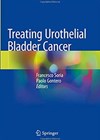
Treating Urothelial Bladder Cancer
This is a short book comprising 129 pages of text which I read in one afternoon. It provides a useful update on one of the most common malignancies encountered by urologists worldwide, which experienced urologists and trainees alike would benefit...
What are the long-term outcomes of TOT and TVT procedures?
This is a systematic review between 2000 and 2016 evaluating the efficacy and safety of midurethral sling (MUS) procedures in women. Studies were included if the follow-up data was five years or more. Objective cure rates showed no significant difference...
Renal stones: an American perspective
This study is from Dallas, USA and appears on the front cover of the BMJ. About 1 in 11 people will have a kidney stone at some point in their lifetime. There is a linear increase in stone prevalence in...
Surgical management of urethral diverticula in women
This systematic review aimed to evaluate different surgical techniques and their outcomes used for treating women with urethral diverticulae. One hundred and eight studies were identified; some of these however were single case reports (37%). As one would expect the...
Intermittent self-catheterisation
Intermittent self-catheterisation (ISC) is used in everyday practice for bladder dysfunction. This study from Southampton, UK presents a Cochrane review of different catheter designs, user satisfaction and incidence of urinary tract infection (UTI), etc. The following factors were looked at:...
Oestrogens and OAB
This is a multicentre study from Europe. The female genitals and lower urinary tract have a common embryological origin arising from urogenital sinus. Therefore, both could be sensitive to female sex steroid hormones. Oestrogens and progesterone receptors have been demonstrated...
Is surgical antibiotic prophylaxis necessary for paediatric orchiopexy?
With the rise of resistant organisms to most commonly used antibiotics, there is a plea for judicious use of antibiotics, especially for clean surgical procedures. Potential adverse events associated with antibiotic use include allergic reaction (including anaphylaxis), clostridium difficile infection,...
Guideline of guidelines – testosterone therapy for testosterone deficiency
The authors conducted an internet search and analysed guidelines for testosterone therapy (TTh) produced by the American Urological Association (AUA), European Association of Urology (EAU), American Association of Clinical Endocrinologists (AACE), British Society of Sexual Medicine (BSSM), Endocrine Society (ES),...