In this series of articles, I show you some of the exhibits contained in the Museum of Urology, hosted on the BAUS website (www.baus.org.uk). Whilst identifying instruments for the Creative Health and Heritage Centre here in Leicester, I came across a distal holed handled needle, which, after quite a bit of research, I identified as a Mansell-Moullin nephrectomy needle (Figure 1). I vaguely recognised the name so of course I needed to know more. After a bit of basic research, I recruited urology registrar Bukky Olaitan and Harriet Goddard, the junior curator, to do the hard work.
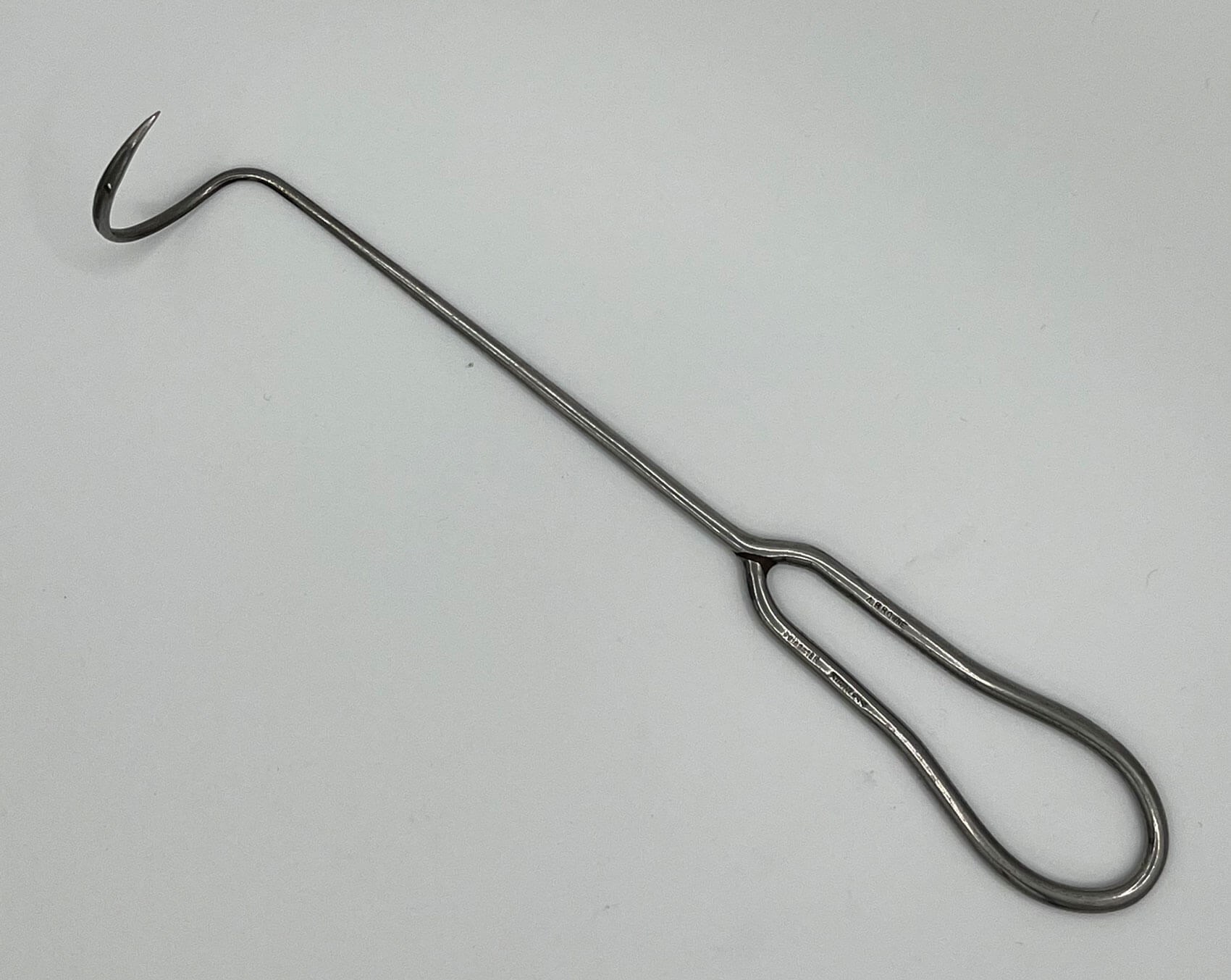
Figure 1: Mansell-Moullin Nephrectomy Needle. Creative Health and Heritage Centre, Leicester.
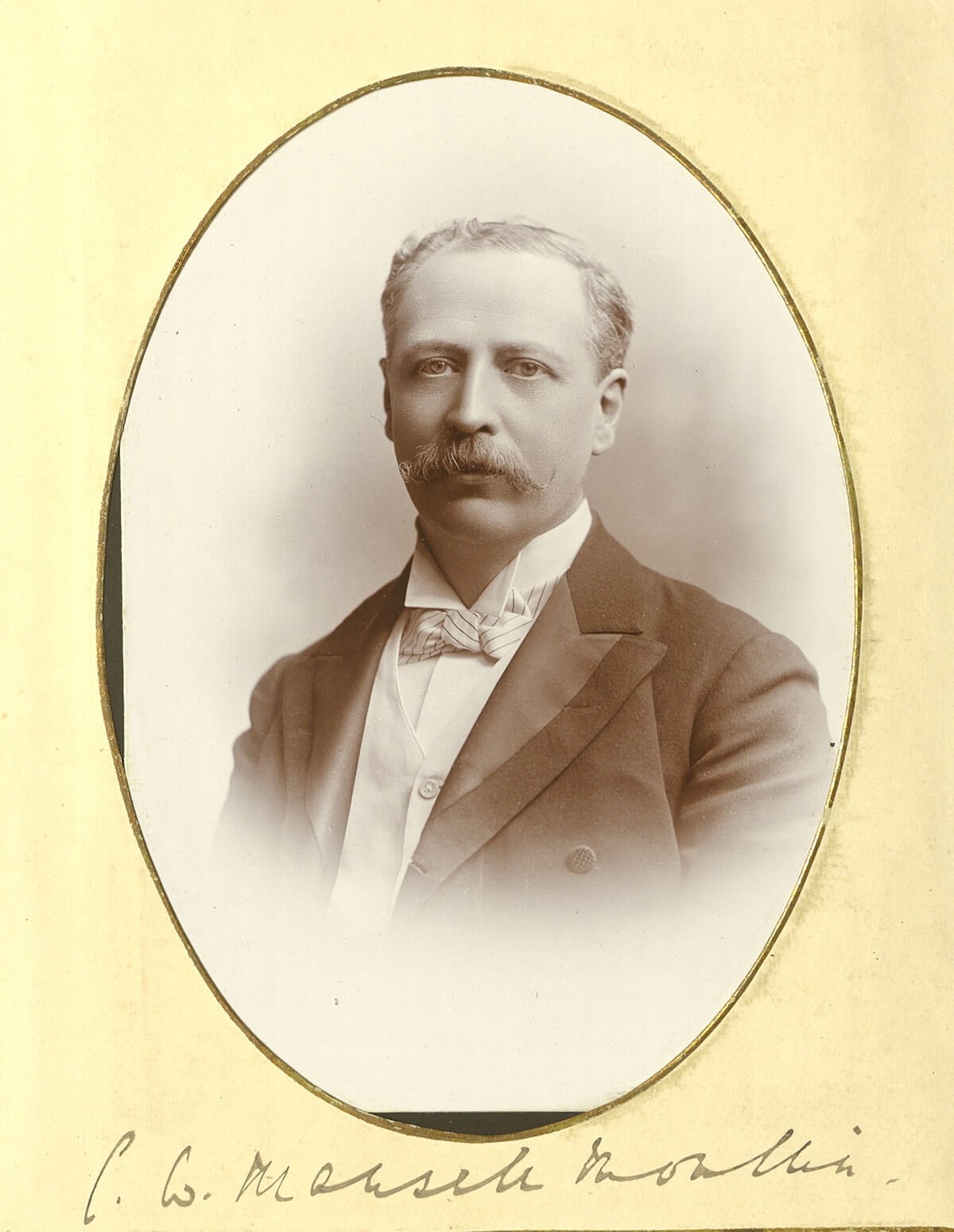
Figure 2: Charles Mansell-Moullin. Image from the Archives of the
Royal College of Surgeons of England, reproduced with permission.
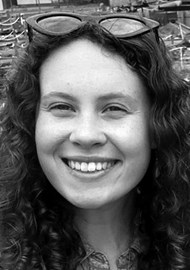
Charles William Mansell-Moullin (Figure 2) was born on 24 October 1851 on the Channel Island of Guernsey. His father, James, was the surgeon to St Mary de Castro Hospital. Charles studied at Pembroke College, Oxford from 1869; winning the Radcliffe Travelling Fellowship in 1875 enabled him to study in Vienna, Strasbourg and Paris. He completed his medical degree at St Bartholomew’s Hospital in 1876, subsequently working there as a house surgeon, house physician and assistant chloroformist. He was made a medical fellow of Pembroke in 1877. Mansell-Moullin became a surgical registrar at the London Hospital in 1880, then assistant surgeon in 1882, and then worked there as a surgeon until his retirement in 1909 when he was made consulting surgeon.
He was regarded as a “fine teacher and exceptionally clear lecturer.” He taught comparative anatomy, physiology and surgery at the medical school. At the Royal College of Surgeons, he was an examiner in physiology and was examiner in surgery at the universities of Oxford, Cambridge and Glasgow. Famed for his punctuality, it was said that “he entered the door of the lecture theatre as the clock struck, and he began to speak as he approached the table. With his last words he passed out through the door, again as the clock struck, but he had never looked at a note or at the time.”
His career was varied but his major interests can be divided to three areas. In his early surgical career he focussed on the genitourinary system. His Hunterian lecture in 1892 dealt with the operative treatment of enlarged prostate. He was lecturing only a few years after McGill had performed his first prostatectomy in March 1887. He thoroughly studied the methods of management at the time including blind cutting and cauterising the prostate, excising pieces perineally and even a lateral approach via the ischiorectal fossa. He concluded that McGill’s suprapubic method was probably the best, but overall surgery should only be used when necessary, whilst also recognising the issues of leaving bladder outflow obstruction too long. His subsequent book, Enlargement of the prostate, was first published in 1884 with four editions in total. He also published a book on urinary infections in 1898.
He later became interested in the stomach and appendix, developing new techniques in abdominal surgery. He presented excellent results from gastroenterostomy even in 1900 and the Mansell-Moullin needle in Figure 1 clearly shows an interest in nephrectomy. He operated on gastric haemorrhage and authored books entitled The surgical treatment of Ulcer of the Stomach (1892) and When to operate in inflammation of the appendix (1908).
In the later stages of his career, he endeavoured to determine the origin of carcinoma, the topic of both a Bradshaw lecture (1912) and his second Huntarian lecture (1915). A book, The Biology of Tumours, was published in 1916. He served as President of the Röntgen Society in its early years indicating a keen interest in early radiology. His colleague at the London, Edwin Hurry Fenwick was also an early pioneer of x-rays in urology. He was awarded a CBE for his services during the war at the second London General Hospital in Chelsea.
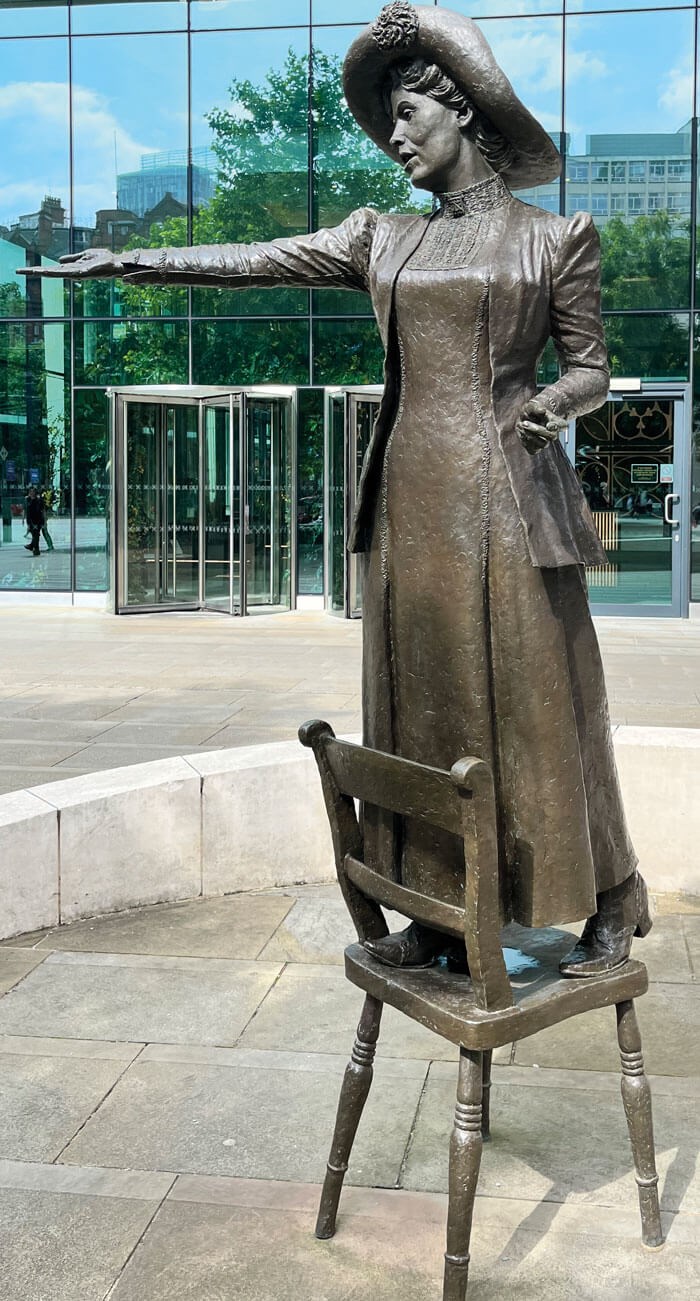
Figure 3: Statue of Emmeline Pankhurst in Manchester. Author’s image.
Aside from his medical career Mansell-Moullin was an avid supporter of the women’s suffrage campaign to obtain votes for women, alongside his wife Edith Ruth Thomas (1858–1941) whom he married in 1885. In 1903, Emmeline Pankhurst (1858–1928) Figure 3, frustrated at the lack of progress towards women’s suffrage, formed the Women’s Social and Political Union (WSPU) along with her three daughters, Christabel, Sylvia and Adela Pankhurst. Edith Mansell-Moullin joined the WSPU. Men were not allowed to be members, so in 1907, Charles co-founded The Men’s league for Women’s Suffrage along with about 30 middle class men who had similar sympathies. Some women, labelled Suffragettes, resorted to violence to make their point, including burning of letterboxes and breaking of windows. The authorities used violence in return to supress their actions and many were arrested, including Mrs Mansell-Moullin. Some women went on hunger strikes in prison and were then force fed. Mansell-Moullin, along with other doctors wrote to the Lancet and BMJ as well as the popular press, protesting about the dangers of this. Unsurprisingly, this led to a heated debate in the pages of the journals.
On 4 June 1913, the suffragette Emily Wilding Davison (1872–1913) ran onto the racecourse at the Epson Derby and was hit by the King’s horse, Anmer. It was Charles Mansell-Moullin who tried to save her at the local Epson Hospital, but she died of a compressed skull fracture four days later.
Aside from his illustrious surgical career he was regarded as the “very soul of kindness, and…generous hospitality.” He remained passionate about medicine up until his death, having sent a friend a copy of a paper on cancer to review just weeks before he died. Other than campaigning for the right for women to vote, he worked with his wife to allow women the right to be trained as doctors. Charles Mansell-Moullin died on 10 November 1940 at 2 Cottesmore Court, Kensington, aged 89.