In this series of articles, I am going to show you some of the exhibits contained in the Museum of Urology, hosted on the BAUS website (www.baus.org.uk). In the third of these articles, written, in the spring of 2012, I wrote about the Hamilton Irving box, a device used to assist bladder drainage after early open prostatectomy. Over the last 14 years I have written and read a lot more of the history of urology, and my research and interests have taken many twists and turns. Every so often, I revisit a topic or meet a character again. When I wrote that 2012 article, I had never seen a Hamilton Irving box.
Recently, I included one in the BAUS 2026 Museum of Urology stand, I came across it in the Creative Health and Heritage Centre Museum in Leicester, and it was loaned for the display. Whilst preparing the exhibition, I started to wonder about Hamilton Irving and decided to look again. Of course, as time passes, more papers are written, more documents and artefacts are catalogued, and more information becomes available online. So, this time, I can indeed tell you more about Mr Irving and his eponymous box.
Hamilton Irving was a Yorkshireman; he was born at 22 New North Road in Huddersfield on 15 February 1877. His father, John Irving (1855–1941), was from Ayrshire in Scotland and was a GP who trained in Glasgow. His mother Fanny Irving nee Watkinson (1848–1881), was also from Huddersfield. He was initially schooled at Huddersfield College, also on New North Road. It was established in 1838 “for the purpose of affording, at a moderate expense, a superior collegiate and commercial education upon a scriptural basis.” In 1891, he went on to Sedbergh School, a public school in Cumbria established in 1525. He subsequently went to Owens College in Manchester to study medicine. Owens was part of the Victoria University, England’s fifth university. An establishment for the north of England being an affiliation of colleges from Manchester, Liverpool and Leeds. In 1904, the independent Victoria University of Manchester was formed.
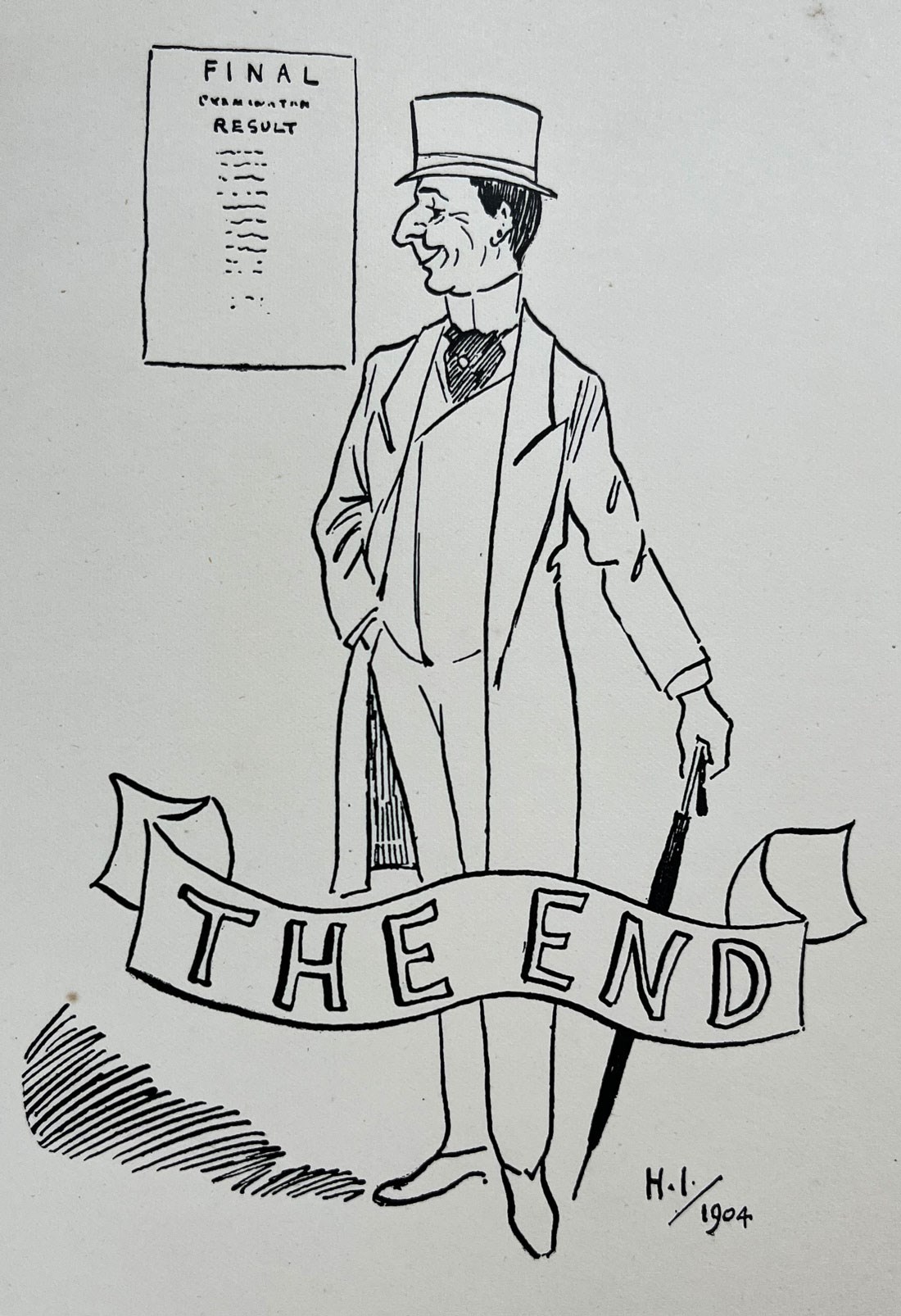
Figure 1: Cartoon self portrait of Hamilton Irving qualifying in 1904 from his collated book of sketches.
At the medical school at Owens, Irving’s talent as an artist can be seen in the cartoons he sketched for the Manchester Medical Student’s Gazette. He was also a musician and was part of the troupe entertaining patients at the Huddersfield Infirmary on Christmas Eve 1900. He qualified from Manchester in 1904 and was a House Surgeon at the Manchester Royal Infirmary (Figure 1). He then became House Surgeon and House Physician at the Evelina Hospital for Sick Children in Southwark, London. He subsequently became Senior House Surgeon at St Peter’s Hospital for the Stone in Covent Garden, the first specialist urology hospital.
At this time at St Peter’s, Sir Peter Freyer (1851–1921) was carrying out open transvesical prostatectomy, the first was in 1900, and by 1920 he had done 1,624. Following surgery, the bladder was drained using a large suprapubic tube, the urine and blood being soaked up by dressings on the abdomen. These were changed regularly by the nurses, who also tried to protect the skin with liberal applications of zinc paste. Irving, whilst working at St Peter’s, devised a device to collect the urine and minimise the inconvenience to both patient and nurses. It consisted of a box (Irving describes it like a straw hat), made of cellulose (an early plastic), which was strapped over the suprapubic tube and drained by two spouts at the bottom via rubber tubes into a bottle by the patient’s bed (Figure 2).
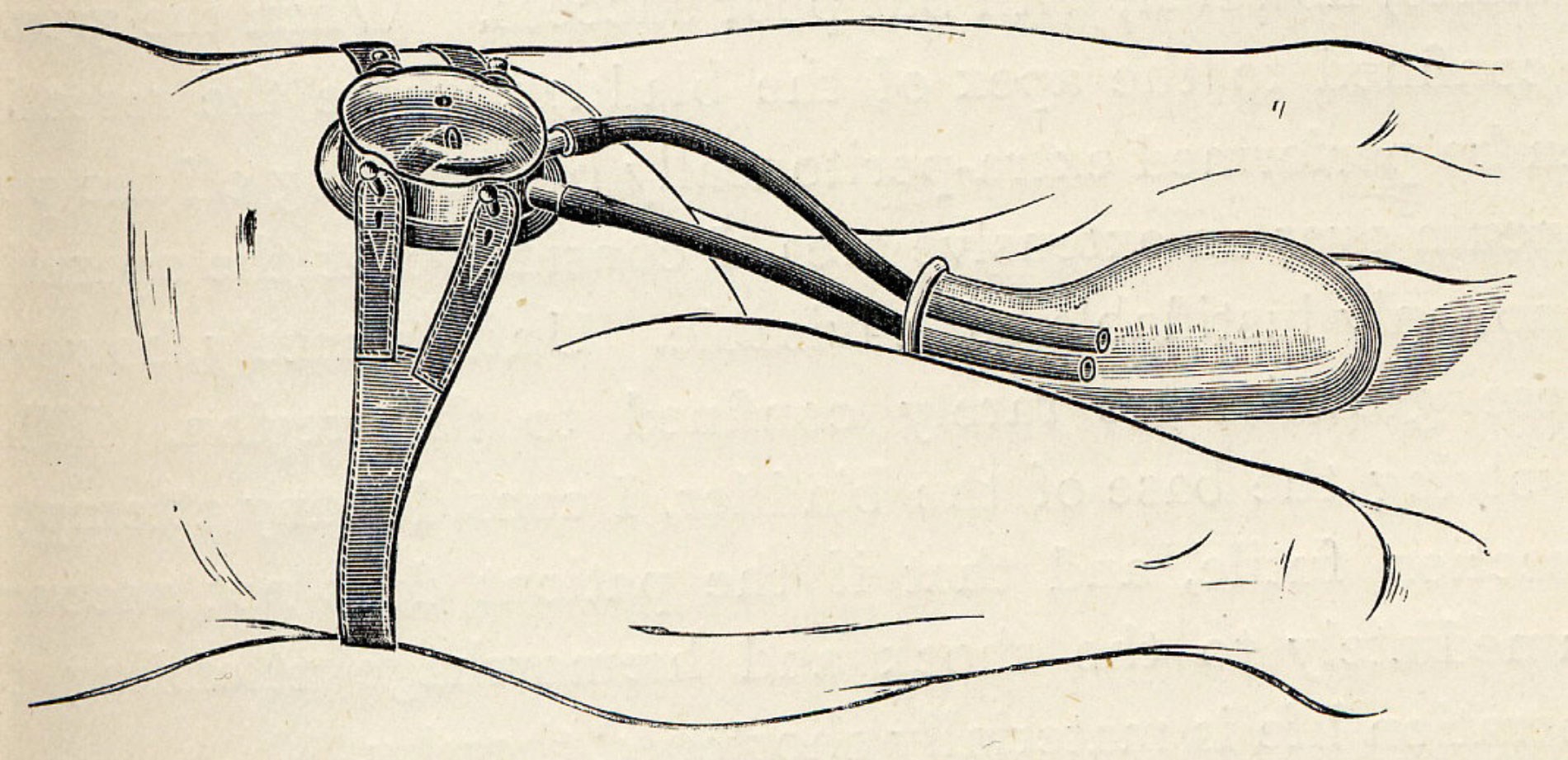
Figure 2: Hamilton Irving Box in position on a patient.
From Freyer’s 1908 book, Clinical Lectures of Diseases of the Urinary Organs.
He published his design in The Lancet in 1907, by which time it had been successfully used over 30 times at St Peter’s, and the surgeons were introducing it into their private practices as well. The lid could be removed for inspection and irrigation of the wound, and a 24Ch aperture in the top allowed a catheter to be passed into the bladder if internal irrigation was required. He suggested removal for cleaning in carbolic every three days. Freyer endorsed it in The Lancet and also in his 1908 book on surgical diseases of the urinary organs, where he describes Irving as his friend.
In 1909, Hamilton Irving established his private practice in London and married Ruth Monica Browngold on 9 September 1911; they lived at 72 Wimpole Street. He was also a medical advisor to the Sun Life Insurance Company assessing accident claims, and a medical officer to the London County Council on the education committee.
At the outbreak of the First World War, many hospitals were requisitioned for the treatment of the wounded. The Brook Fever Hospital on Shooters Hill in Woolwich became the Brook War Hospital, and Irving was commissioned as a temporary Major in June 1915 to work there. The hospital had 1,000 beds, and two new operating theatres were fitted out with all the modern requirements. The electric lights were fitted into special concealed zinc troughs, so the light was reflected against the ceiling and diffused, there was an adjoining sterilising room, and a new x-ray room was built. Irving relinquished his commission on 1 July 1919, retaining the rank of Major, but continued to help as medical specialist to the London Pension Appeal Board.
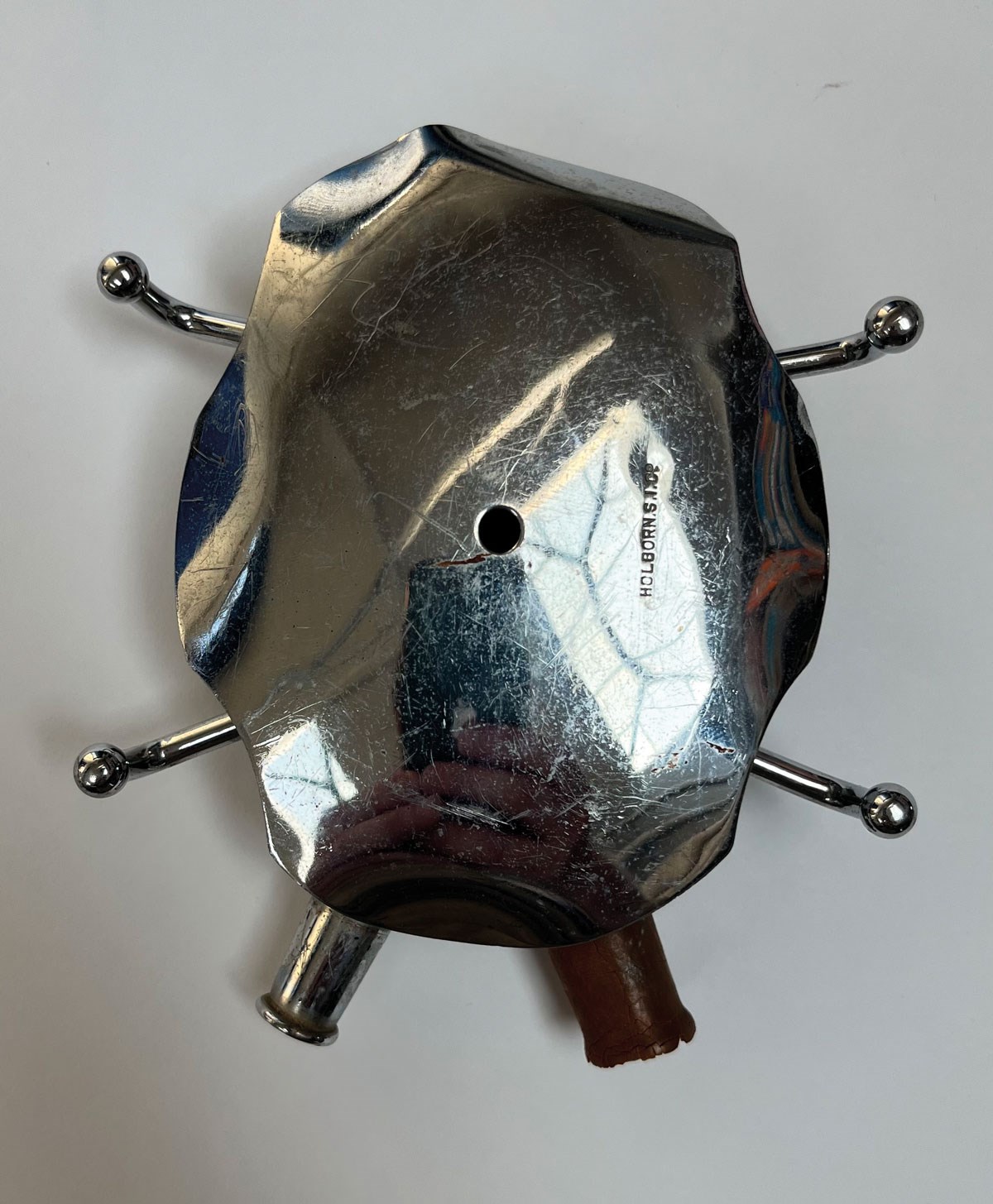
Figure 3: Hamilton Irving Box, chrome, Holborn Surgical Instrument Co., mid C20th.
Creative Health & Heritage Centre, University Hospitals of Leicester NHS Trust.
The Hamilton Irving box was a popular way of draining suprapubic wounds. A hardier metal version was introduced and several surgeons adapted it (Figure 3). Walter Galbraith (1889–1960), the well-known Scottish urologist, altered it with a single drainage outlet. In 1931, Frank Harvey, a London surgeon, designed a rubber ring to sit on the bottom flange to improve the seal and patient comfort. After three years of use, he changed the design to include two rubber outlet pipes, which he thought better than the metal ones. The box was turned upside down to make this work. In 1932, he modified the box again making it round, which he said laid on the abdomen better, with a thicker rubber pad. Writing in 1934, Hugh McCurrich, a surgeon working in Hove, had a preference for the Galbraith modification and changed the leather belt for an elastic one with stainless steel chains to prevent the frequent rotting of the material; not to mention the smell!
Although prostatectomy improved, particularly after Terence Millin introduced his retropubic method in 1945, and surgical techniques and bladder drainage changed, Eric Glen recalled using what he described as the “crab” in Glasgow in the 1960s for suprapubic drainage.
According to the London Gazette, Hamilton Irving filed for bankruptcy on 30 November 1927 and was declared bankrupt on 28 January 1928. He retired in 1930 and moved to Henley-on-Thames, where he died on 27 February 1932, leaving his wife, son and two daughters. He was buried in Edgerton Cemetery in his hometown of Huddersfield.