
You searched for "diagnostic"

Abiraterone acetate in men with castration-resistant prostate cancer
With emerging results from the Stampede and Latitude studies, abiraterone has taken the forefront in the management of metastatic prostate cancer while researchers try to identify the ideal timing for administration. It is a potent inhibitor of CYP17 which results...
Radium-223 treatment outcomes after multiple lines of mCRPC therapy in clinical practice: implication of pre-treatment spinal epidural disease
There are a number of treatments now available to patients with metastatic castrate-resistant prostate cancer (mCRPC). However, the optimal timing and order in which they are given is less clear. Radium-223 was FDA-approved for mCRPC patients with symptomatic bone metastases...Bladder carcinoma MRI
Bladder malignancy is one of the commonest malignancies of the renal tract, accounting for approximately 6% of male malignancy and 2% of female malignancy. The incidence increases with patient age with 70% of patients being over the age of 65...In conversation with Ian Pearce
We were delighted to catch up with our old friend, Ian Pearce, former Editor of Urology News and new President of BAUS. Can you tell us a little bit about what led you into the field of urology and the...The role of embolisation in urology
Case 1 An 86–year–old male presented with visible haematuria and suprapubic pain. He had a history of diabetes, heart failure, benign prostatic hypertrophy, aortic valve replacement, deep vein thrombosis (DVT) and atrial fibrillation (AF) and was anticoagulated on a non-VKA...Assessment and management of percutaneous nephrostomies
Nephrostomies are a valuable uroradiological intervention which enables drainage of the obstructed kidney, amongst other indications. Complications associated with nephrostomies following placement are not uncommon, with re-presentation to the emergency department or surgical emergency unit. In this review we will...Overview of partial nephrectomy techniques: influence of technology
Traditionally, radical nephrectomy was the preferred operation for kidney cancer, while partial nephrectomy was reserved for specific circumstances and essential indications such as a tumour in a solitary kidney, bilateral kidney tumours, or severe chronic kidney disease (CKD). Given the...Demanding cases or nightmares in uro-oncology? Sep/Oct 2021
Active surveillance for prostate cancer: missing the boat Case In 2005 a 43-year-old man of Afro-Caribbean ethnicity was referred to our centre for investigation of suspected prostate cancer. Digital rectal exam revealed a firm right lobe, PSA of 2.3ng/ml, prostate...Infections and inflammation: Part 2
See also Part 1 and Part 3. Case 1 A 43-year-old lady presented to the urologist with a history of pain during bladder filling and associated frequency / urgency. She underwent standard microbiological and radiological investigations that are normal. She...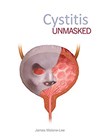
Cystitis Unmasked
Cystitis is often viewed as a heartsink diagnosis, and sometimes one of exclusion. The aetiology is multifactorial and misunderstood. Treatment has been based on dogma, and poor clinical and scientific evidence. The truth is, that despite the significant morbidity caused...
Active surveillance for renal neoplasms
Renal oncocytomas are the second most common benign renal tumours and they originate from the collecting tubules. They appear genotypically very similar to chromophobe renal cell carcinomas (chRCC), which also contain eosinophilic cells. Oncocytomas are often found incidentally on routine...


